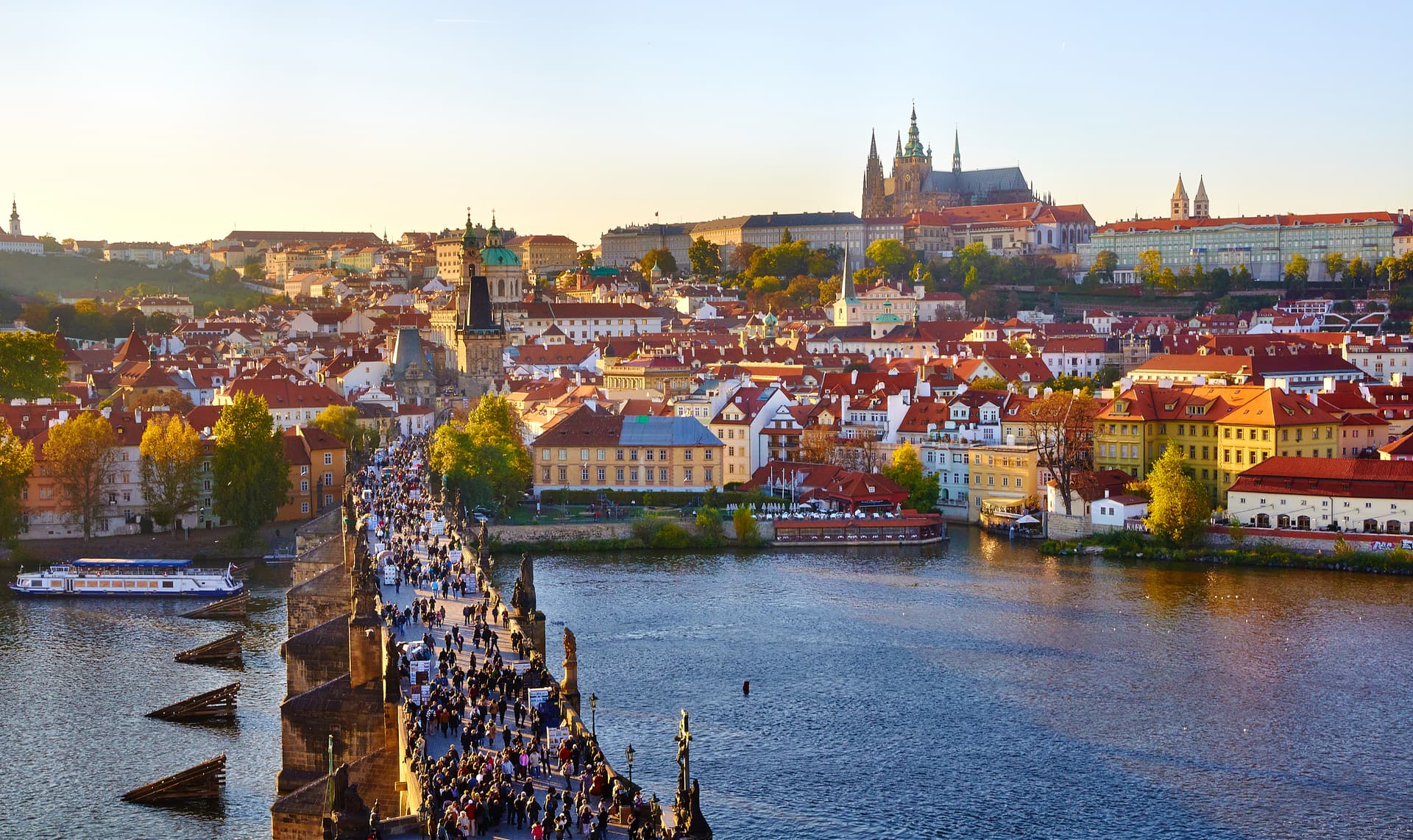
The first hours in an unfamiliar city are the most disoriented you'll ever be there — and, badly used, they set a scrambling tone for the whole trip. Experienced travellers converge on a remarkably similar arrival ritual. It has three moves, takes a morning, and works everywhere from Lisbon to Tokyo.
Move one: go up something
Before anything else, get height — a cathedral tower, an observation deck, a castle rampart, the hill park. Not primarily for the photos: for the mental map. From above, a city snaps from an abstract street tangle into geography — the river bends there, the old town clusters here, our street runs toward that dome. Ten minutes of orientation from a tower saves an hour a day of navigation for the rest of the trip. Pick something bookable for the morning of arrival and make it your first timed slot.
Move two: go through a market
A food market is the fastest cultural download a city offers: what people eat, what things cost, what the language sounds like at conversational speed, what fruit is in season. Buy breakfast there — the pastry, the coffee, the strange thing you can't name. Markets also calibrate your wallet on day one: after twenty minutes you know what a coffee, a snack and a fair lunch cost, which quietly inoculates you against every tourist-zone price for the rest of the stay.
Move three: walk one long, aimless line
Then walk — one long transect, roughly from the market toward your dinner neighbourhood, no efficient routing allowed. The point is texture: shop fronts, side streets, the point where tourist zone turns into actual city. Drop pins as you go (that bakery, that bar with the locals, that lane worth returning to at golden hour). This walk is where the trip's later free hours get their ideas from.
Why this beats the alternative
The common arrival pattern — check in, collapse, then panic-visit the #1 attraction jet-lagged at peak afternoon crush — burns your worst hours on the thing that most deserves your best. The ritual inverts it: orientation first, anchors later, properly booked, at the right time of day. By noon of day one you have a map in your head, a feel for prices, a phone full of pins and a first meal that wasn't a mistake.
Booking it into a real itinerary
Practically: book a morning slot at the city's best viewpoint for arrival day (they're rarely the sell-out attractions, so this is low-risk), keep the rest of day one unbooked, and put your genuine anchors — the big museum, the day trip, the dawn thing — on days two and three, when you'll meet them awake, oriented and on time.